The Strait of Hormuz: One Chokepoint and No Easy Answers
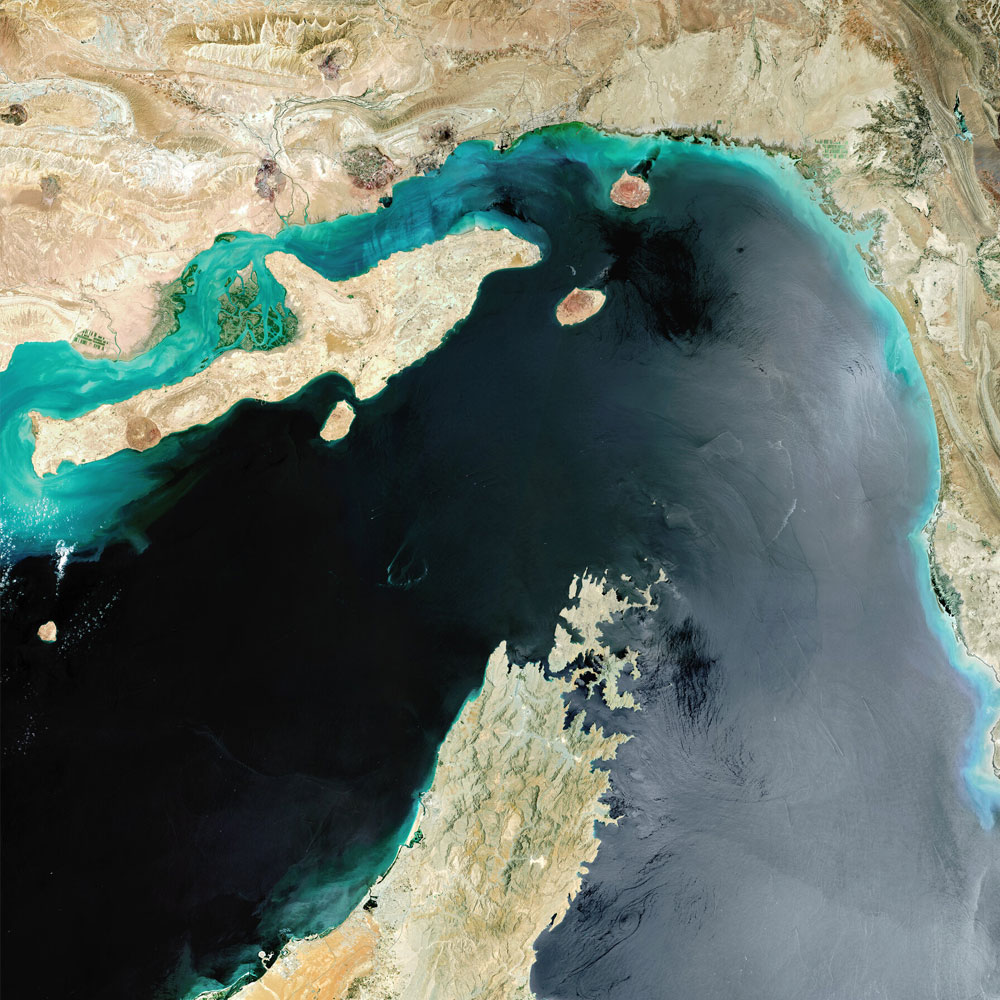
20% of global oil supply moves through a 33km chokepoint. The risks are well understood. The question is whether anyone is planning for how long recovery actually takes.
Writing on geopolitics, supply chains, and business
Trade, conflict, and how global events ripple through supply chains
20% of global oil supply moves through a 33km chokepoint. The risks are well understood. The question is whether anyone is planning for how long recovery actually takes.
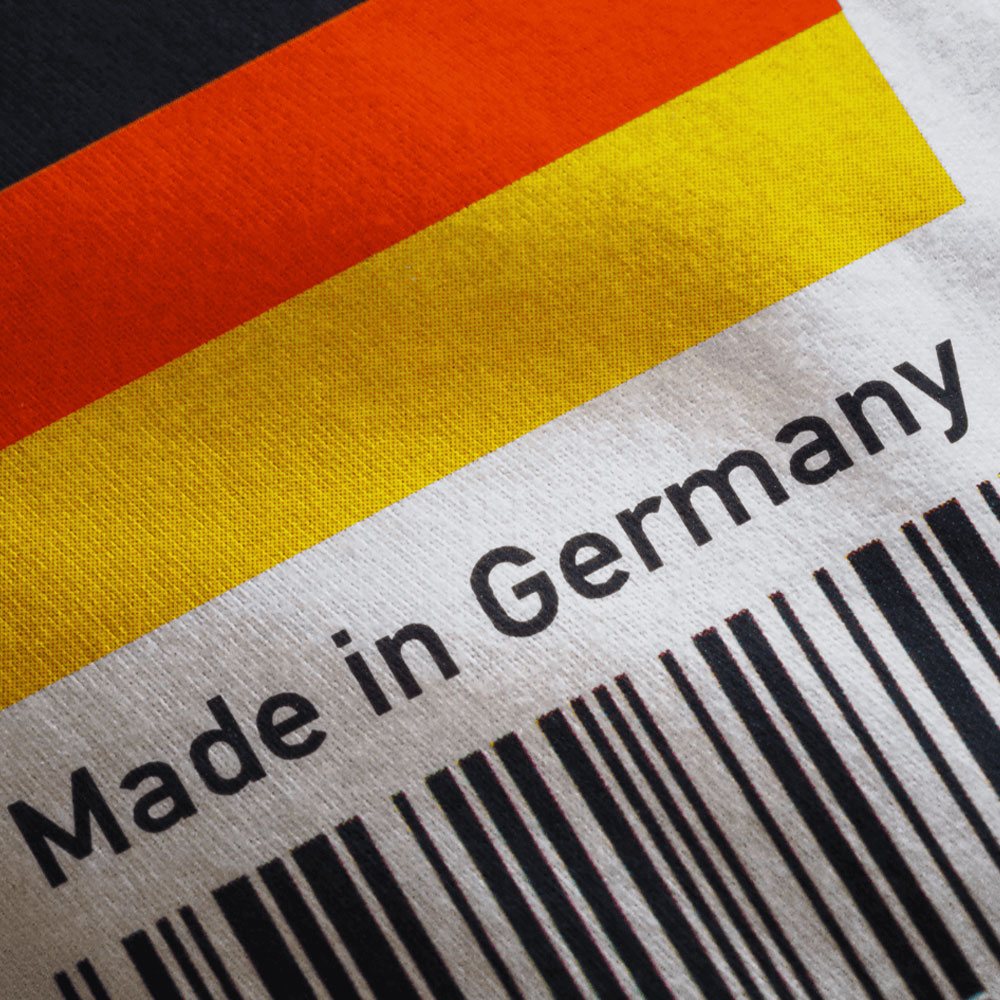
Germany's 500 billion euro commitment is real. The supply base capable of absorbing it is not.
Germany's 500 billion euro special fund is real money. The harder question is where it goes, because the supply chains that would need to absorb that spending have been running lean for thirty years.
The model worked for decades. Then the gas stopped flowing, the Chinese EVs arrived, and the US started subsidizing its own industrial base.
Germany built its competitiveness on an energy arbitrage that depended on one supplier. When that supplier cut off supply, it exposed something more structural than a price shock.
How goods move, where they get stuck, and why it matters
One company, one island, and a dependency that turns out to be much harder to unwind than it looks.
TSMC produces roughly 90% of the world's most advanced chips, all of it concentrated on one island in a contested strait. The geography gets most of the attention. The harder problem is that the knowledge required to run these fabs at that level of precision took decades to build, and it doesn't move easily.
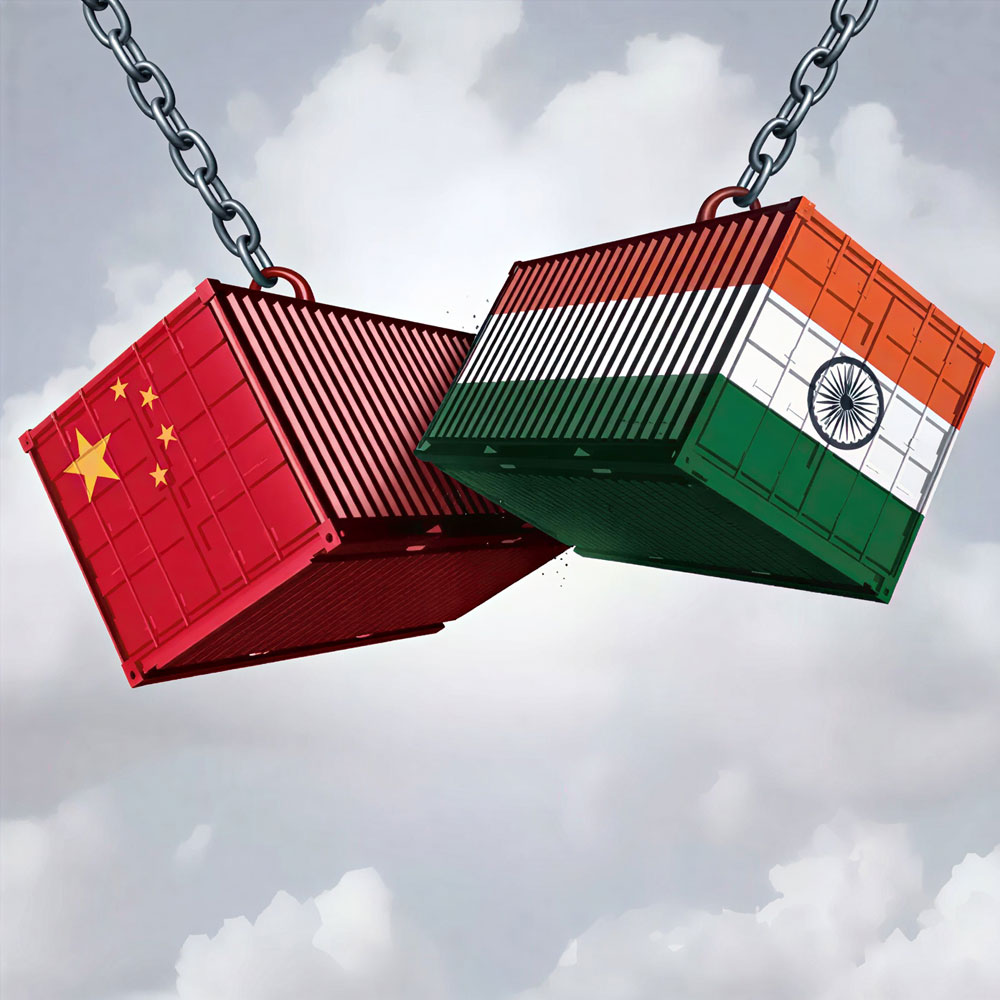
Moving production to Vietnam, India, or Mexico looks straightforward until you actually start doing it.
The logic behind China+1 sourcing strategies isn't wrong. The execution is significantly harder than the strategy slide suggests, and the transition has a time horizon most organizations initially underestimate by roughly a factor of two.
For specific, high-volume tasks with consistent inputs, it performs well. For the parts of procurement that were actually hard before, it still is.
AI has made procurement faster at the things that were tedious and rule-based. It has not changed procurement at the things that were genuinely hard. The companies winning with it are the ones who figured out which specific tasks were burning hours and fixed exactly those.
Operations, software, and how companies actually work
The gap between what vendors demonstrate and what goes into production is where most of the interesting problems live.
There is a version of procurement software that exists in vendor demonstrations and a version that exists in production environments. The distance between them is where most of the actual work happens, and almost all of it comes down to data.
Most automation advice assumes you are starting from an organized place. That is not where most companies are when they actually have this conversation.
Before you automate anything, you need to understand what is actually happening, not what the process documentation says is happening. The gap between those two things is where all the interesting problems live.
By the time you have picked a system, the decisions that will determine whether the project succeeds have already been made.
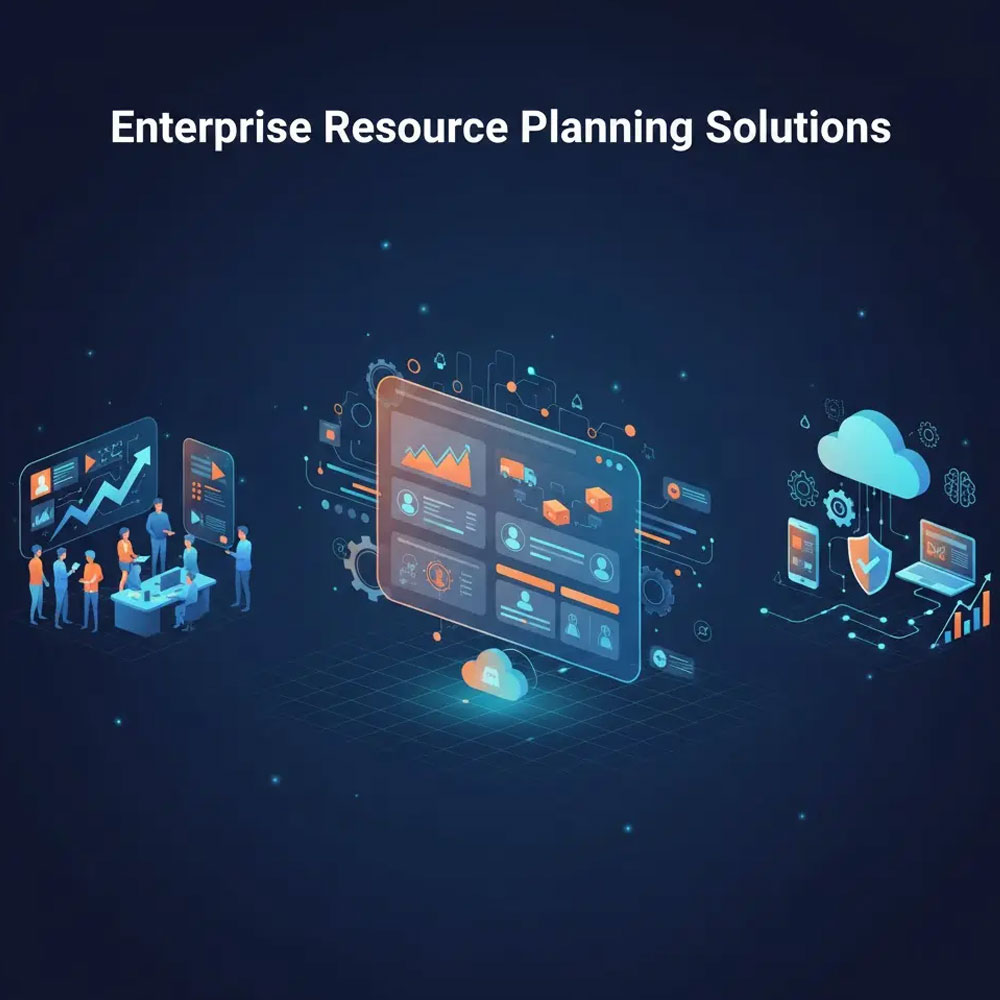
ERP projects fail for reasons that have nothing to do with the software. Scope creep that starts before kickoff, the gap between what users need and what systems can do, and a change management problem that most implementation guides describe but almost none explain honestly.