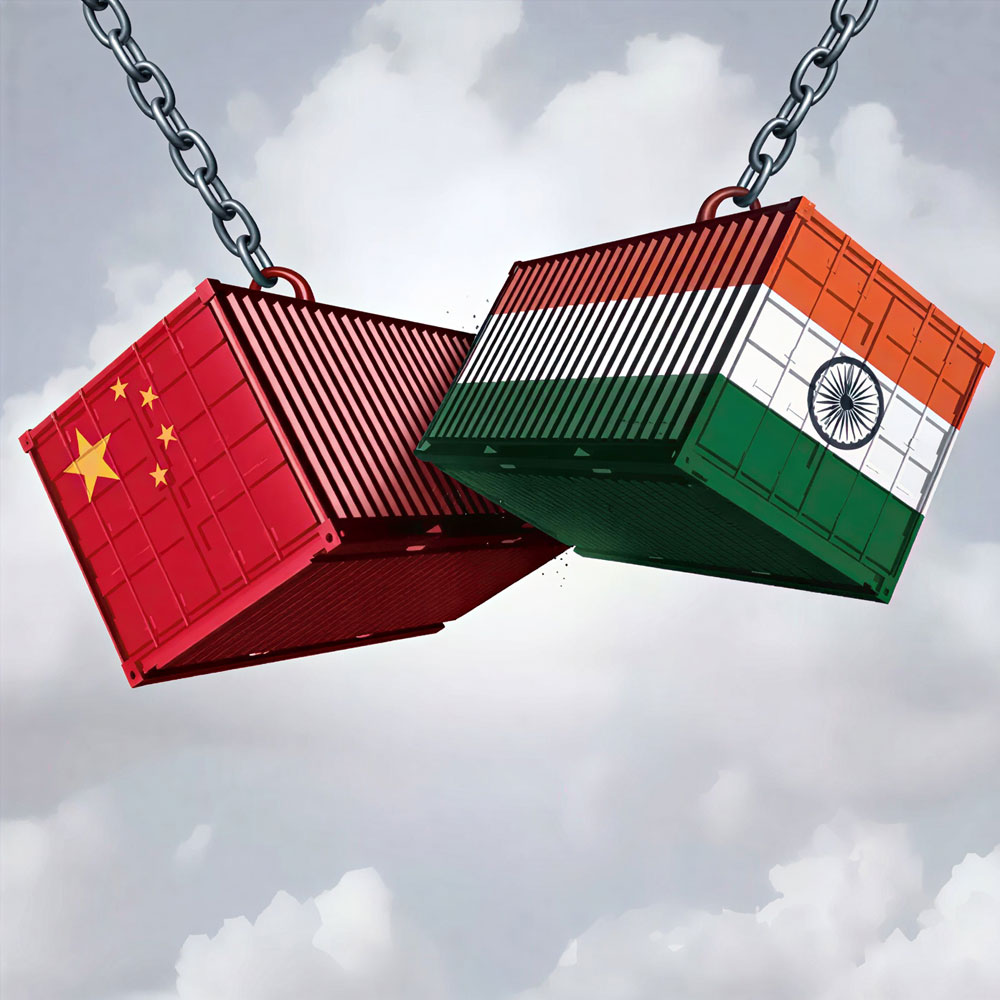
China Plus One became standard supply-chain language very quickly. Add a second source in Vietnam, India, or Mexico, and concentration risk falls. The logic is sound. The execution is where the plan becomes expensive.
Electronics capacity outside China is not a direct substitute for Chinese capacity. A factory may be able to quote the part without having the same process range, supplier network, or stable yields. Those differences matter when a component has tight tolerances or depends on materials sourced from the same Chinese cluster you were trying to avoid.
Vietnam has strong manufacturing in several product categories, but it does not reproduce everything available in southern China. India has attracted real investment through its production incentive schemes. Some plants are excellent; others are still building the quality systems and process knowledge needed for consistent volume. A site visit can show capability. It cannot prove six months of stable production.
Mexico works well when proximity to North America and labor content matter more than a deep component ecosystem. It is less convincing when a product needs specialist sub-suppliers that are not yet nearby. Developing those suppliers rarely fits inside a normal sourcing timeline.
The difficult period begins after selecting the second source. The company runs two supply chains, pays more while the new supplier learns, and manages quality risk during the ramp. Forecasts assume the transition will be orderly. Production rarely agrees.
Diversification is still worth doing where the exposure justifies it. The plan needs to include qualification failures, duplicate tooling, lower early yields, and the people required to manage both sources. If it only compares quoted unit prices, it is not a diversification plan. It is a slide.