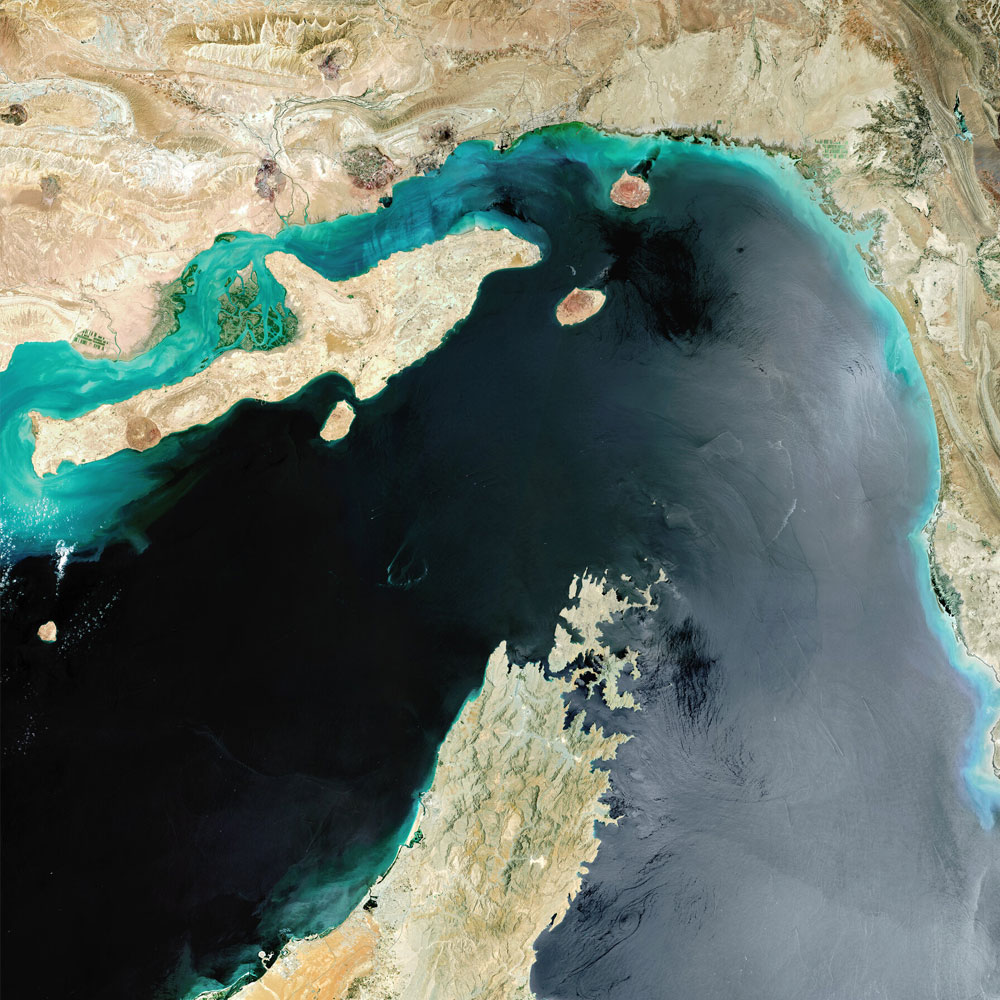
The Strait of Hormuz is about 33 kilometers wide at its narrowest point. Roughly 20 percent of global petroleum liquids pass through it. That is a large share of the world's energy supply moving through a very small space.
For procurement and supply-chain teams, tension in the Middle East stopped being abstract some time ago. I have seen Asian suppliers face energy restrictions that slowed production itself, not only shipping. When input costs rise and availability tightens, the buyer has two bad choices: wait or move urgent goods by air. Airfreight works, but the cost compounds quickly.
Chemicals are harder to plan. Conditions change from week to week, while qualifying an alternative can take months. Regular supplier calls become useful before prices move because the warning time matters more than a perfect forecast.
Costs have remained relatively contained in Germany, helped by government measures and energy-market adjustments. That protection is not permanent. Transport prices respond quickly when fuel costs move.
The strange part is how normal the risk can feel. In Interstellar, the crew sees what looks like a mountain in the distance. It is a wave. Hormuz can feel similar: the exposure is visible, but it moves slowly enough to remain someone else's problem.
A political resolution would not reset supply immediately. Interrupted production needs time to recover, inventories need to move through the system, and buyers compete for the first available capacity. Energy and chemical supply chains respond in months or years, not in time for the next planning cycle.
The useful question is therefore not only what happens during a closure or attack. It is how long recovery would take and which operations would run out of options first.